Pallet rack accessories are an important part of warehouse storage systems, providing additional support, protection, and organization for racks and stored materials. While off-the-shelf accessories are widely available, standard dimensions and configurations do not always match the physical layout, inventory, or operating conditions of every warehouse. A component that fits one rack system may not provide the same results when used with different frame dimensions, pallet sizes, load requirements, or traffic patterns. Custom fabrication gives warehouse managers and facility designers another option when standard components cannot meet those project-specific requirements. Custom pallet rack accessories can be produced around the dimensions and operating conditions of the existing storage system rather than forcing the facility to adapt to a standard component. This article examines common pallet rack accessories, the limitations of standard products, and the situations where custom fabrication can provide a more appropriate solution.
Why Pallet Rack Accessories Are Critical for Warehouse Safety
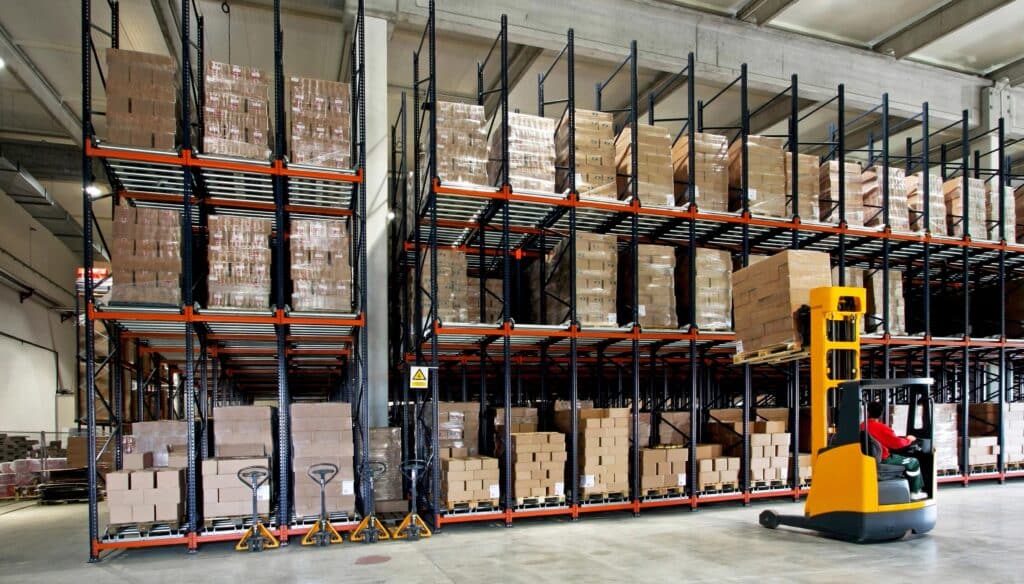
Pallet rack accessories help protect storage structures, inventory, equipment, and employees by addressing conditions that the primary rack frame does not necessarily manage on its own. Wire mesh decking, pallet supports, column protectors, row spacers, safety bars, and backstops each serve different functions within a storage system. Column guards, for example, can provide additional protection around exposed rack uprights in areas where forklifts and other material handling equipment operate. Safety bars and backstops can help prevent pallets or stored products from being pushed through the rear of a rack where the configuration and application require that type of protection. Selecting these components requires consideration of the rack design, stored loads, equipment traffic, and the manufacturer’s requirements for the specific system.
Properly specified accessories also contribute to a storage system that is easier to inspect and maintain. Components should fit the rack configuration correctly and should not interfere with load placement, rack connections, or other protective equipment. A mismatched accessory can create installation problems or leave portions of the rack inadequately protected. Warehouse managers should therefore consider applicable OSHA requirements, manufacturer instructions, engineering specifications, and local requirements when selecting rack accessories. Custom and off-the-shelf components can both be appropriate, but the selected product needs to match the actual storage application rather than being chosen solely because it is readily available.
What Are the Most Common Pallet Rack Accessories?
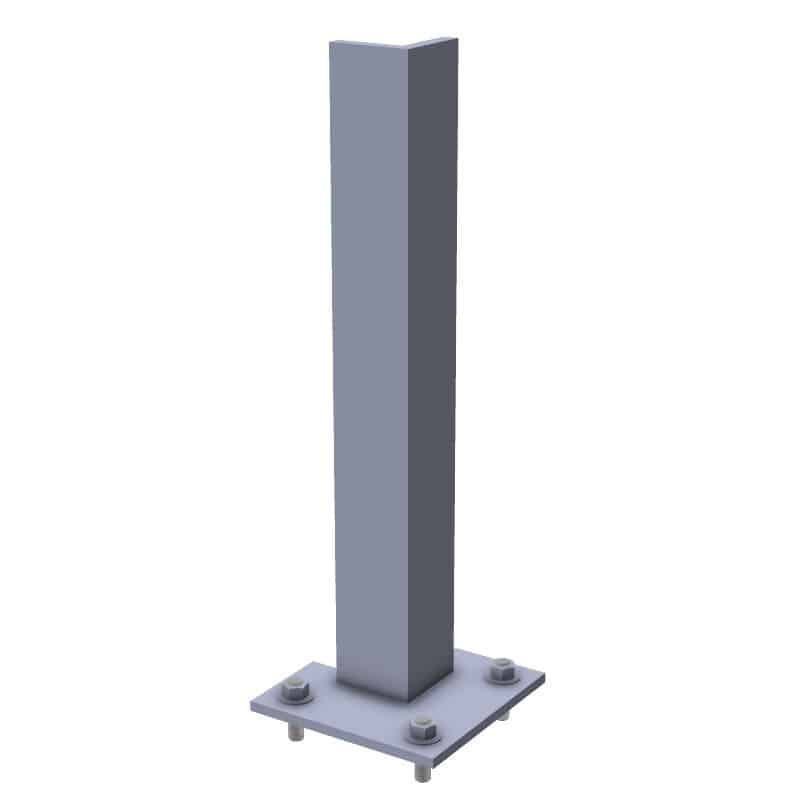
Pallet rack accessories include a wide range of components designed to support loads, protect rack structures, and control how materials are stored. Wire mesh decking is one of the most common options because it creates a supported surface between rack beams while allowing visibility through the deck. Crossbar pallet supports provide additional support beneath pallets where the rack configuration calls for them. Frame-mounted column protectors are installed around exposed uprights to help shield rack columns from contact with forklifts and other material handling equipment. Row spacers can connect back-to-back rack frames and help maintain the intended spacing between rows, while safety bars and backstops can provide a physical barrier behind stored pallets when required by the application.
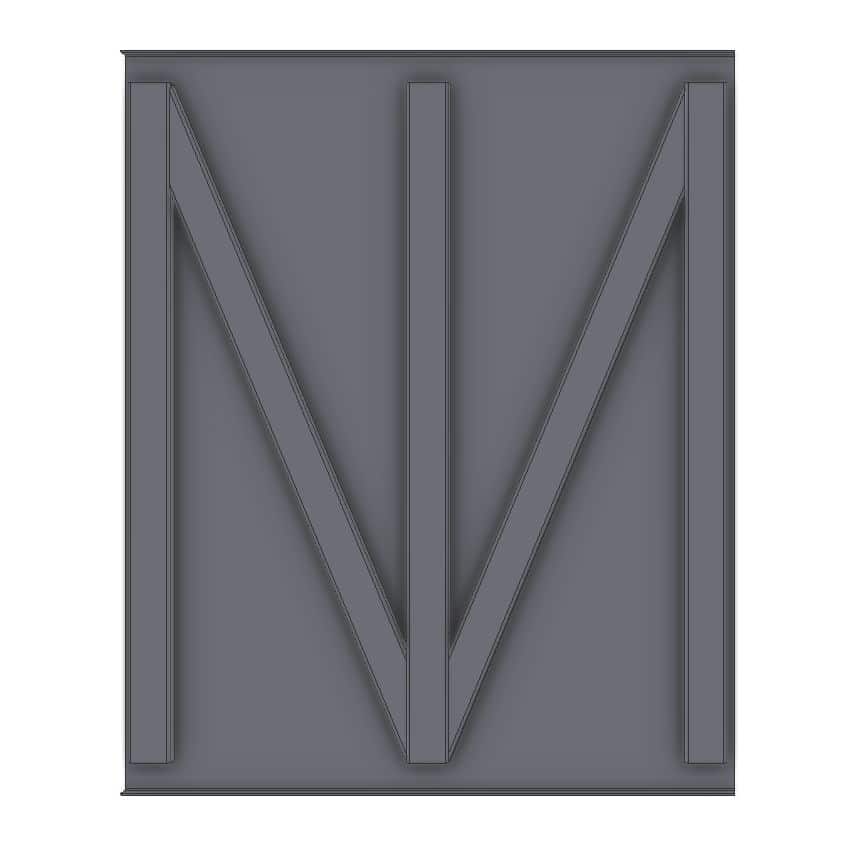
Each accessory must be selected based on the rack dimensions and the loads it will encounter. Decking, for example, needs to match the beam configuration and support the intended pallet arrangement without creating unintended gaps or unsupported areas. Column protection needs to correspond with the dimensions of the rack upright and the available clearance around the frame. Safety bars and backstops also need to be installed at appropriate locations so they perform their intended function without interfering with pallet placement. These details become particularly important when a warehouse uses unusual pallet dimensions, specialized inventory, or rack systems that differ from common configurations. Establishing the requirements of the storage system first makes it easier to determine whether a standard accessory is sufficient or whether a fabricated component would be more appropriate.
The Drawbacks of Off-the-Shelf: When a Standard Fit Isn’t a Good Fit
Off-the-shelf pallet rack accessories are designed around common rack dimensions and applications, which makes them practical for many standard installations. The limitation occurs when those dimensions do not correspond with the actual warehouse configuration. Standard decking may leave unused space when pallet dimensions differ from the intended application, while an accessory designed for a particular upright profile may not fit another rack manufacturer’s frame. Even small dimensional differences can create installation difficulties when components must connect directly to existing structural members. Rather than modifying a standard component in the field, a warehouse may benefit from specifying a part manufactured to the required dimensions.
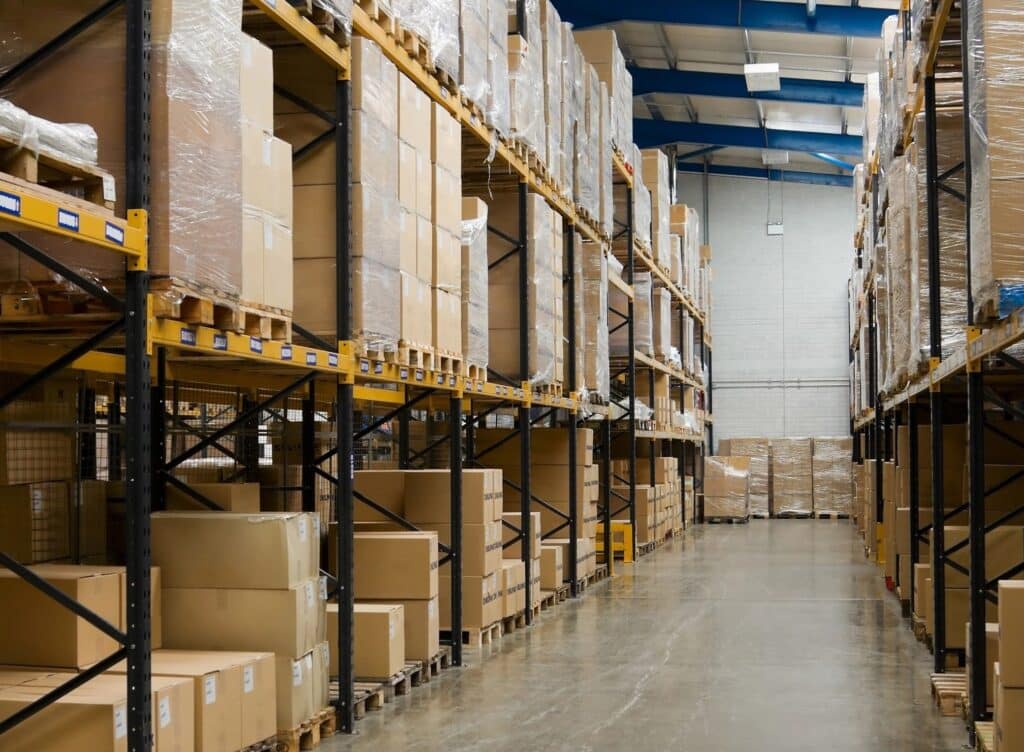
Operating conditions can create another limitation. A standard accessory may use a steel gauge, finish, or configuration intended for general warehouse service rather than an environment involving heavy loads, frequent forklift traffic, outdoor exposure, or corrosive conditions. In these applications, the material specification and protective finish require closer consideration. A component that experiences repeated impact or exposure to moisture may require a different material thickness or coating than a component used in a controlled indoor storage area. Custom fabrication allows the component’s dimensions, material, connection points, and finish to be considered together rather than selecting from a fixed catalog configuration.
Compatibility also becomes an issue when accessories from different manufacturers or rack systems are combined. A component can appear to fit while still lacking the appropriate bearing surface, connection geometry, or clearance required for the application. Field modifications such as drilling, cutting, or welding a standard accessory can also alter the component from its original design and may affect manufacturer requirements or warranties. Custom fabrication provides a controlled alternative by producing the component around verified field dimensions and specified connection details. For warehouse managers dealing with unusual rack configurations, the additional fabrication cost can be justified when it avoids repeated modifications, installation delays, or the purchase of components that do not properly match the storage system.
The Custom Advantage: When a Tailored Solution Offers Greater Value
Custom-fabricated pallet rack accessories become particularly useful when the inventory itself falls outside standard warehouse dimensions. Oversized pallets, long products, cylindrical materials, and irregularly shaped components can require support that conventional decking or pallet supports cannot provide. A fabricated cradle, for example, can be configured around cylindrical products to maintain their position within a designated storage area. Specialized dividers can separate different products within a rack bay when standard accessories do not provide the necessary dimensions. These components can be designed around the actual product dimensions and storage method rather than requiring the warehouse to change its inventory arrangement to accommodate a standard accessory.
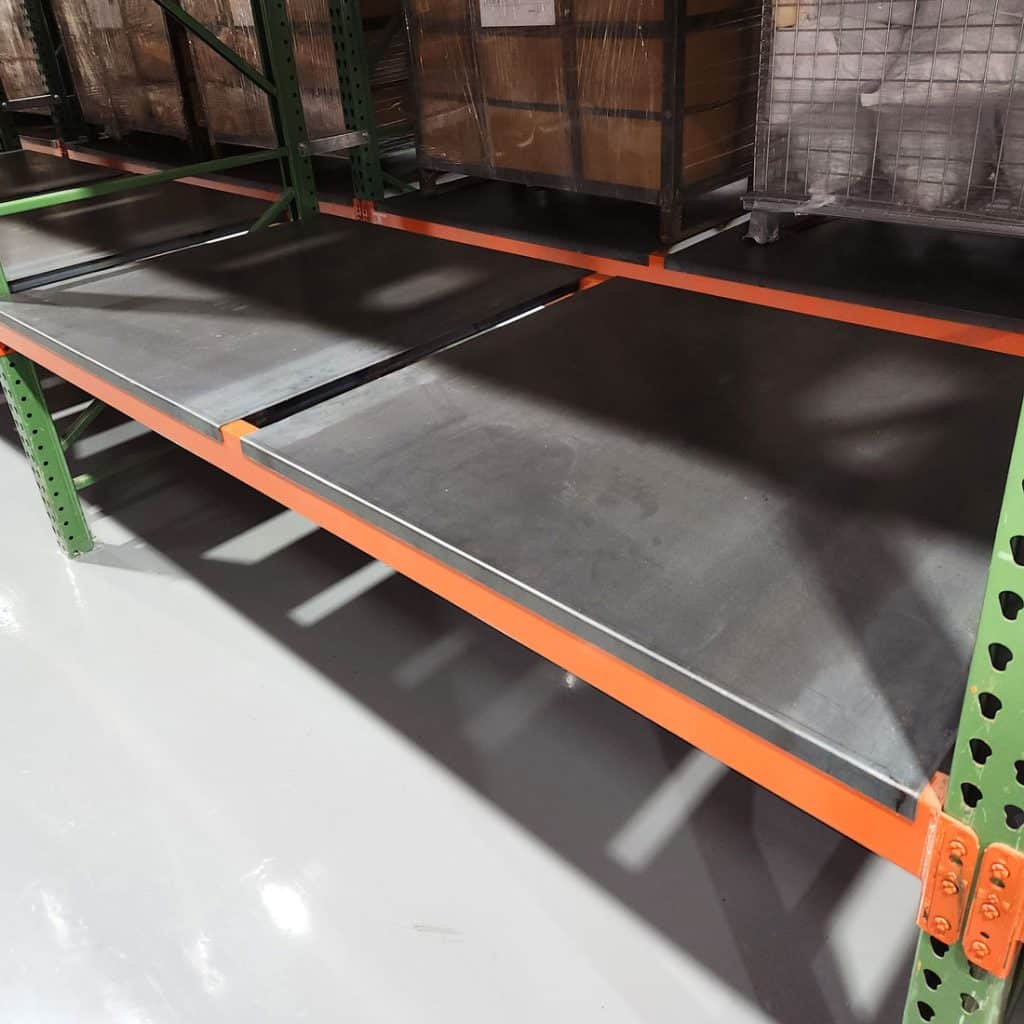
Heavy-duty applications are another area where custom fabrication can provide greater control over the finished component. When an accessory will encounter high loads, repeated impact, or demanding operating conditions, material thickness, structural configuration, weld locations, and connection details can all be evaluated as part of the fabrication process. Custom guards can also be designed around high-traffic aisles, transfer points, loading areas, or other locations where standard column protection does not provide the required coverage. The appropriate design still depends on the loads and conditions involved, but fabrication gives engineers and facility managers more control over the physical characteristics of the finished component.
Heavy-duty applications can also require a different approach when standard wire decking or other off-the-shelf components are not designed for the loads, impact, or operating conditions involved. In these situations, custom-fabricated pallet rack accessories can be designed around the actual load requirements and rack configuration. Shelving can also be incorporated where smaller parts, components, tools, or other inventory need organized storage alongside palletized materials. This allows a warehouse to address different storage requirements within the same overall system rather than forcing every item into a standard pallet position.
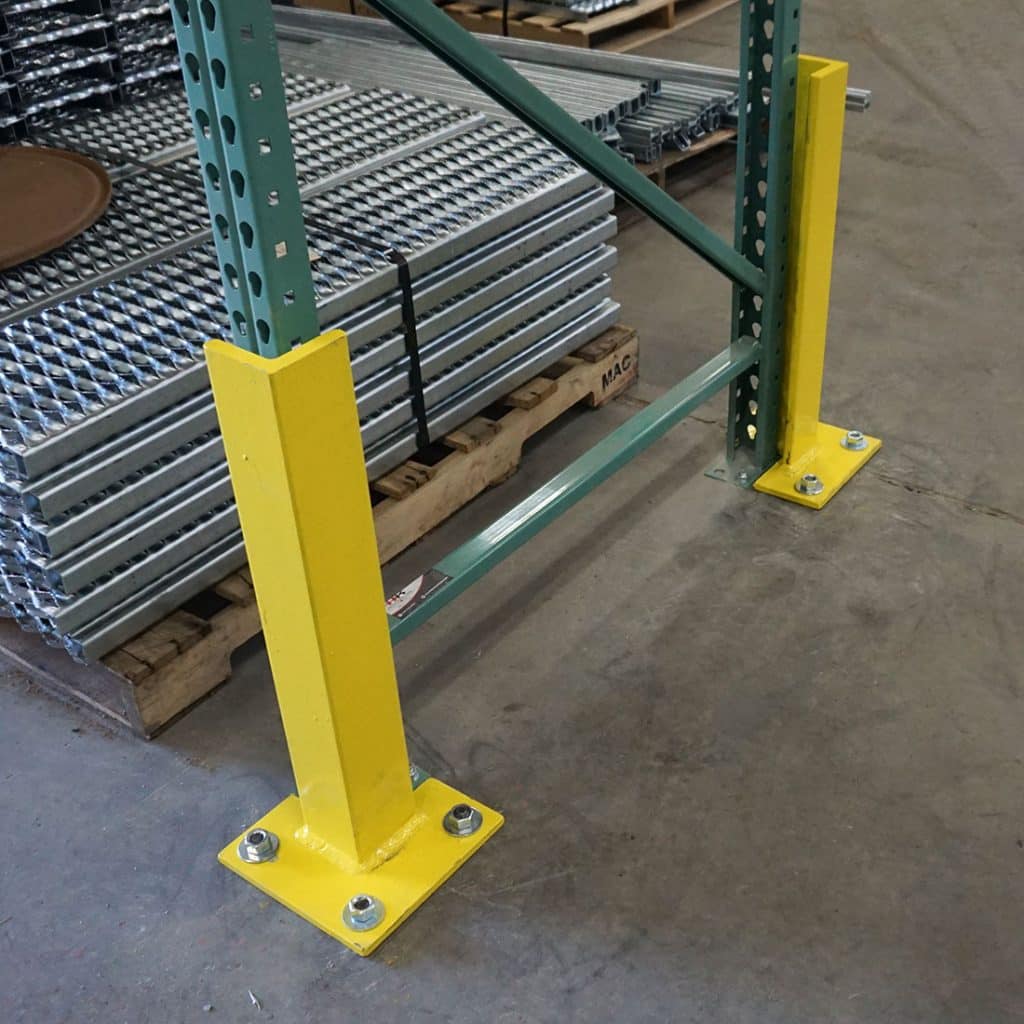
Custom accessories can also address workflow requirements that standard products do not accommodate efficiently. A warehouse may need dividers with specific spacing for inventory slotting, protective barriers around equipment, or rack accessories configured around conveyors and other material handling systems. Fabricated components can account for these surrounding conditions during the design process. This approach can reduce interference between storage equipment and other warehouse operations while providing a more deliberate arrangement of inventory. The value of custom fabrication is therefore not limited to making a component fit physically. It can also provide a solution that corresponds more closely with how the facility stores, moves, and accesses its materials.
Pallet Rack Accessory Fabrication at Metal Fabrication Services
Metal Fabrication Services provides custom fabrication capabilities for pallet rack accessories and other steel components used in industrial and warehouse environments. In-house steel forming, welding, cutting, and finishing capabilities allow components to be produced according to project-specific dimensions and material requirements. Rather than selecting a standard accessory and modifying it after delivery, customers can work from defined dimensions and application requirements when developing a fabricated component. This approach is particularly useful for facilities with non-standard rack configurations, unusual inventory, specialized protection requirements, or heavy-duty operating conditions.
The fabrication process can begin with project dimensions, drawings, photographs, field measurements, or other information that establishes the required configuration. From there, fabrication details can be developed around the specified material, dimensions, connection points, and finish. Depending on the application, components may be produced from carbon steel, galvanized steel, stainless steel, or other specified materials appropriate for the operating environment. Welding and forming operations provide additional flexibility when a component requires angles, bends, brackets, reinforcement, or other features that are not available in a standard catalog product.
For warehouse managers and facility designers, the main advantage of custom pallet rack accessories is control over the finished component. Dimensions can correspond to the actual rack and inventory configuration, while material and finish can be selected according to the environment and expected use. Custom fabrication should still be coordinated with the rack manufacturer, project engineer, and applicable requirements before installation, particularly when an accessory connects to or affects an existing storage structure. Metal Fabrication Services can support that process by working from project specifications and producing fabricated components suited to the conditions of the application. For projects where standard pallet rack accessories do not provide the required fit or configuration, contact Metal Fabrication Services to discuss the dimensions, materials, and fabrication requirements for a custom solution.
Ready to Get Started with us on your next Metal Fabrication Project?

1 (800) 285-3056