Metal shearing is one of the most widely used and time-tested cutting methods in the fabrication industry. While modern technologies like laser and plasma cutting often take the spotlight for their advanced capabilities, shearing remains a foundational process valued for its efficiency, precision, and cost-effectiveness.
Its ability to deliver clean, straight cuts with minimal waste makes it especially well-suited for high-volume production and standardized components. In this post, we’ll explore what metal shearing is, the key advantages it offers, how it contributes to faster fabrication workflows, and why it continues to be a reliable choice in a wide range of industrial applications.
What Is Metal Shearing and Why Does It Matter?
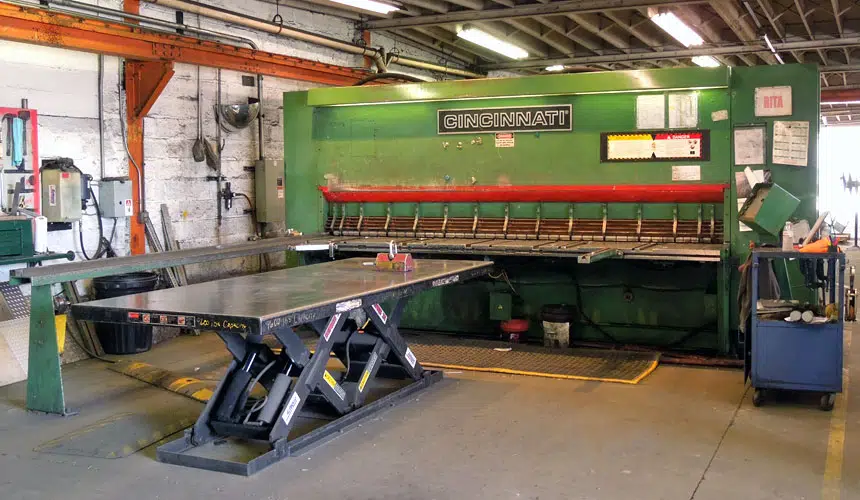
Metal shearing is a cutting process that uses a straight, sharp blade to slice through sheet metal with precision and without producing chips, melting the material, or generating significant waste. This method delivers clean, accurate cuts and is especially effective for handling large volumes of material, making it ideal for repetitive, high-throughput tasks.
Its speed and simplicity allow fabricators to quickly prepare parts for subsequent operations such as forming, welding, or finishing, streamlining the overall production workflow. In addition to its efficiency, shearing is versatile enough to accommodate various metals and thicknesses, making it a valuable asset in diverse fabrication environments.
What Are the Main Advantages of Shearing?
- Makes Clean, Precision Cuts
- Cost Effective
- Lower Energy
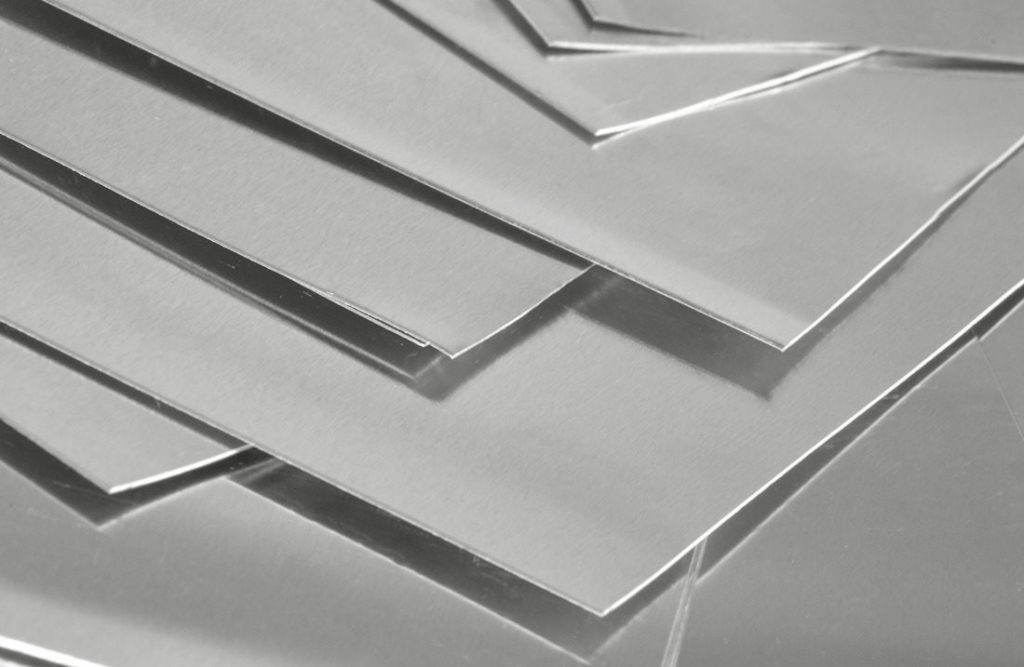
One of the key benefits of metal shearing in fabrication is its ability to produce straight, burr-free cuts with minimal material loss, which is a major advantage when aiming to reduce waste and maintain clean edges. This precision contributes to the consistent quality of industrial parts, especially in high-volume production where uniformity is essential.
Shearing is also highly cost-effective, requiring less energy and maintenance compared to more complex cutting methods, which makes it ideal for large-scale projects. Its compatibility with a broad range of metals and thicknesses further enhances its value, ensuring flexibility across different fabrication needs. Together, these advantages help fabricators achieve higher quality, greater consistency, and improved overall efficiency.
How Does Shearing Speed Up Fabrication?
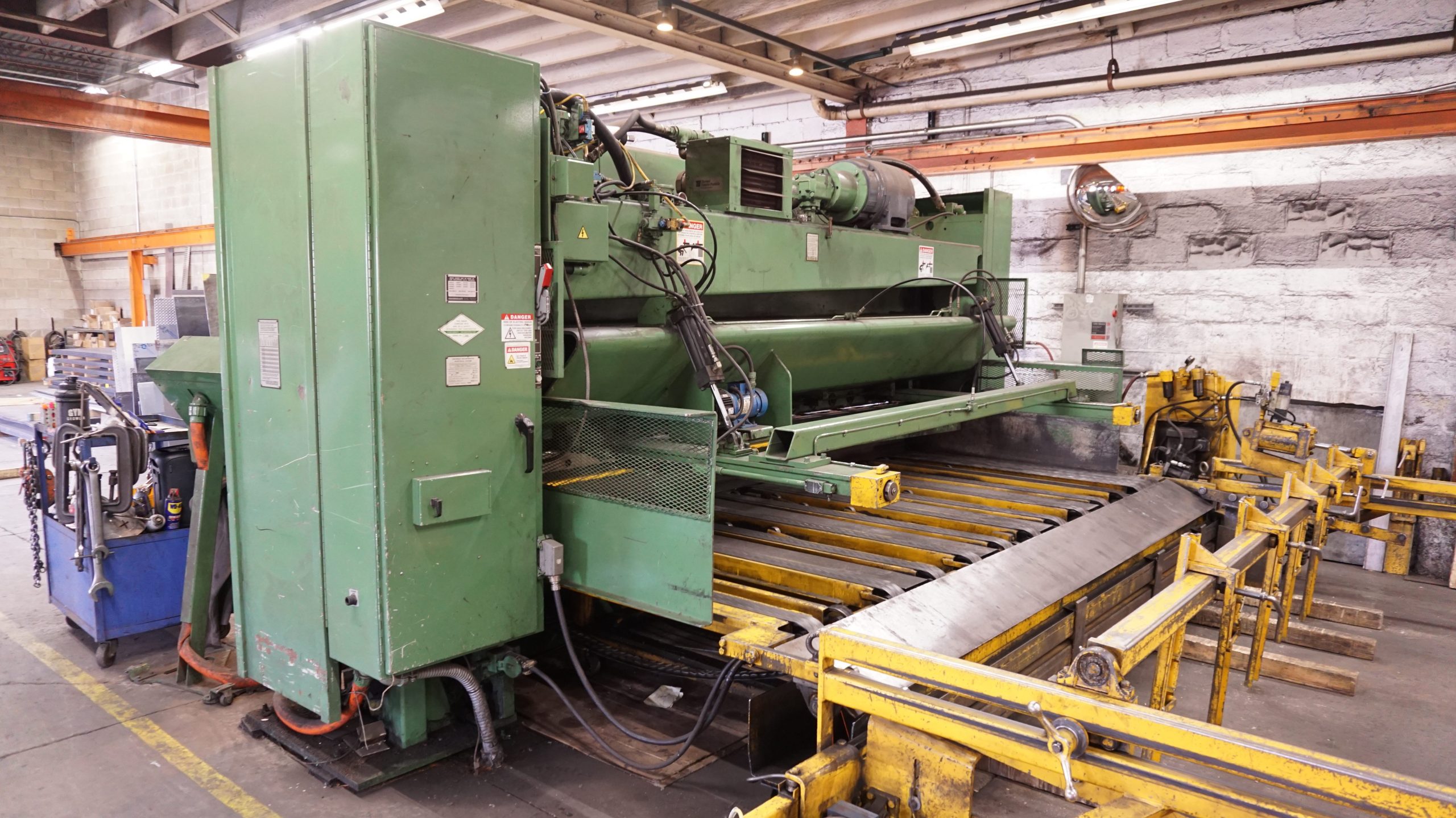
Metal shearing significantly boosts productivity by allowing multiple parts to be cut quickly and accurately in a single pass. This high-speed capability is especially valuable in production settings where time and output matter.
When combined with CNC-controlled shears and automated feeding systems, the process becomes even more efficient, minimizing manual handling and reducing downtime between cuts. The result is faster turnaround, shorter lead times, and lower labor costs, all of which help keep fabrication schedules on track, even for large-scale or time sensitive projects.
Types of Metal Shearing Techniques
There are several common shearing methods used in fabrication, each suited to specific applications and production requirements:
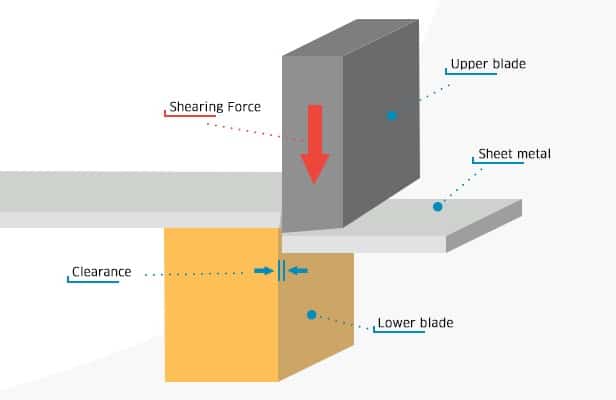
- Guillotine shearing is the most widely used technique, involving a straight blade that descends vertically to cut sheet metal. It’s ideal for making long, straight cuts and is commonly used in high-volume operations where accuracy and repeatability are essential.
- Rotary shearing uses rotating circular blades to cut continuously through sheet or coil stock, making it well-suited for continuous-feed systems and applications requiring curved or contoured cuts.
- Punch shearing, on the other hand, combines punching and shearing in a single operation, and is typically used for cutting smaller parts or specific shapes out of sheet metal.
Each method fits differently into fabrication workflows depending on the material type, cut geometry, and production scale, allowing manufacturers to select the most efficient solution for the job.
Maintaining Shearing Machines for Maximum Efficiency
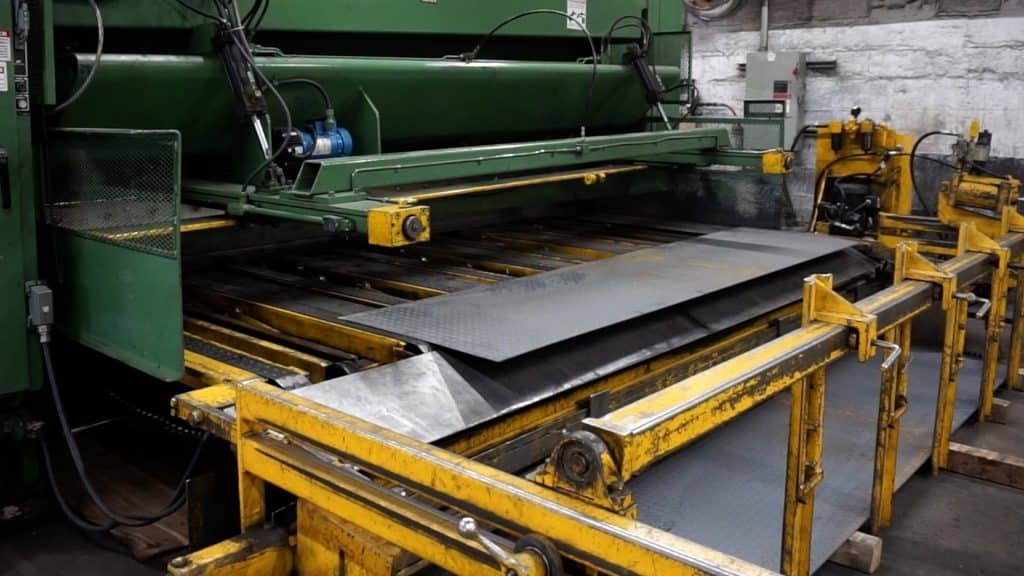
To maintain the accuracy, safety, and efficiency of metal shearing operations, regular maintenance is an absolute must. Key practices include routine blade sharpening to ensure clean, precise cuts, alignment checks to prevent uneven wear, proper lubrication of moving parts, and ongoing monitoring for signs of mechanical fatigue or damage.
These preventive measures help avoid unexpected breakdowns, minimize downtime, and ensure consistent cutting performance. By investing in regular upkeep, fabricators not only extend the lifespan of their equipment but also maintain the high quality standards required in industrial production environments.
Metal Shearing Services at Metal Fabrication Services
At Metal Fabrication Services, our in-house metal shearing capabilities are a key part of our comprehensive fabrication offerings. We’re equipped to handle a wide range of sheet thicknesses and materials with precision, allowing us to meet the demands of both standard and custom projects.
Our shearing process is fully integrated with other core services including forming, welding, and coating, which allows us to deliver complete, end-to-end fabrication solutions. By choosing MFS, clients benefit from a partner that not only prioritizes efficiency and quality but also offers tailored solutions designed to meet the unique requirements of every project.
Ready to Get Started with us on your next Metal Fabrication Project?

1 (800) 285-3056